
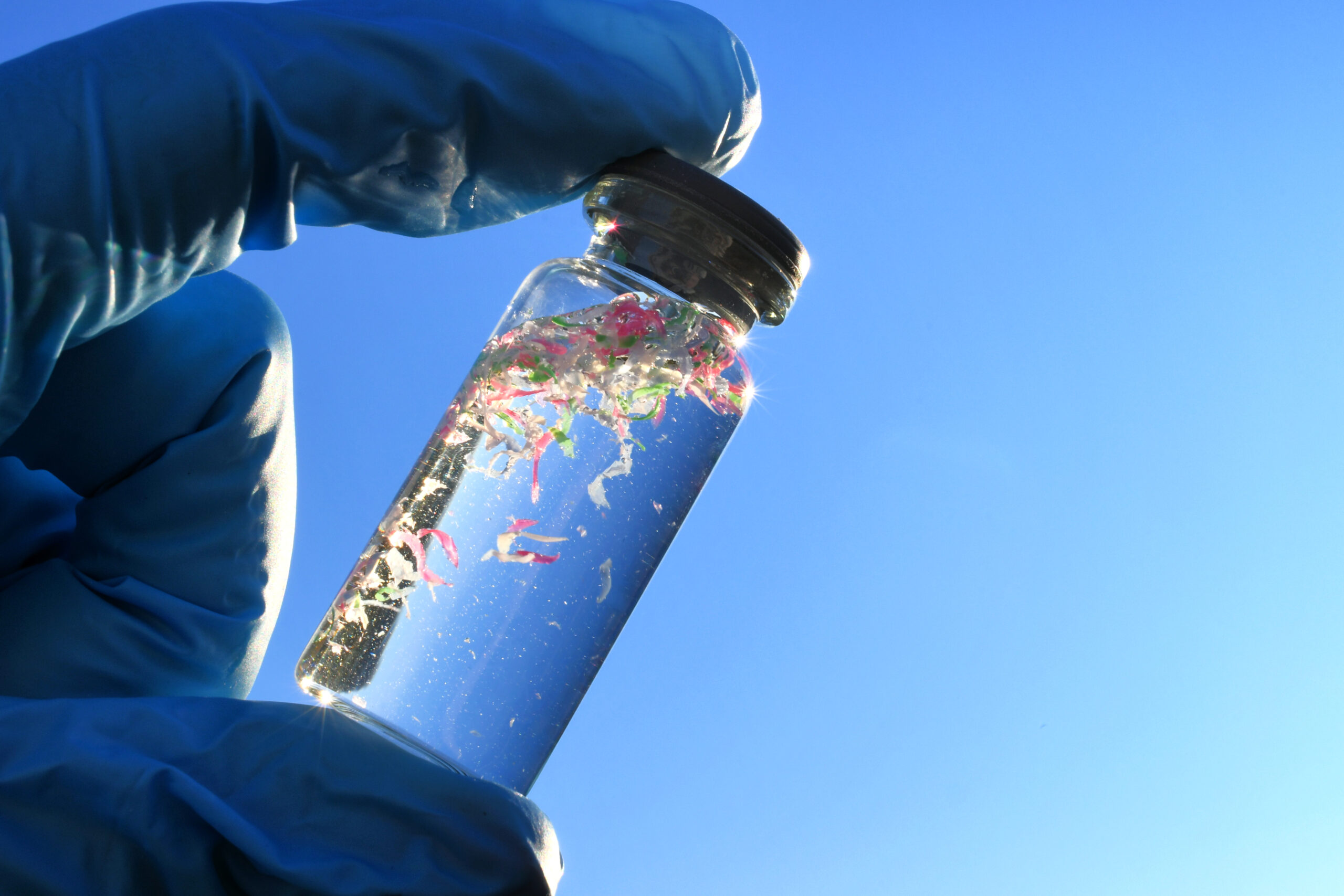
Microplastics have become an invisible but persistent threat in rivers, lakes, oceans, and even in the water we drink. These tiny plastic fragments can drift for miles, settle on the seafloor, or remain suspended for years, harming ecosystems and human health.
Scientists still lack a standard way to measure how microplastics move through water. Clarkson University researchers are helping change that with a new, open-source method that uses computer vision to track how fast these particles sink — a crucial step toward understanding, predicting, and ultimately reducing the spread of plastic pollution in aquatic environments.